
Loft
If you are having loft insulation or solar panels installed, installers will need loft access.
AWARD WINNING HEATING AND SOLAR INSTALLATION SPECIALISTS
AWARD WINNING SOLAR AND HEATING INSTALLATION SPECIALISTS

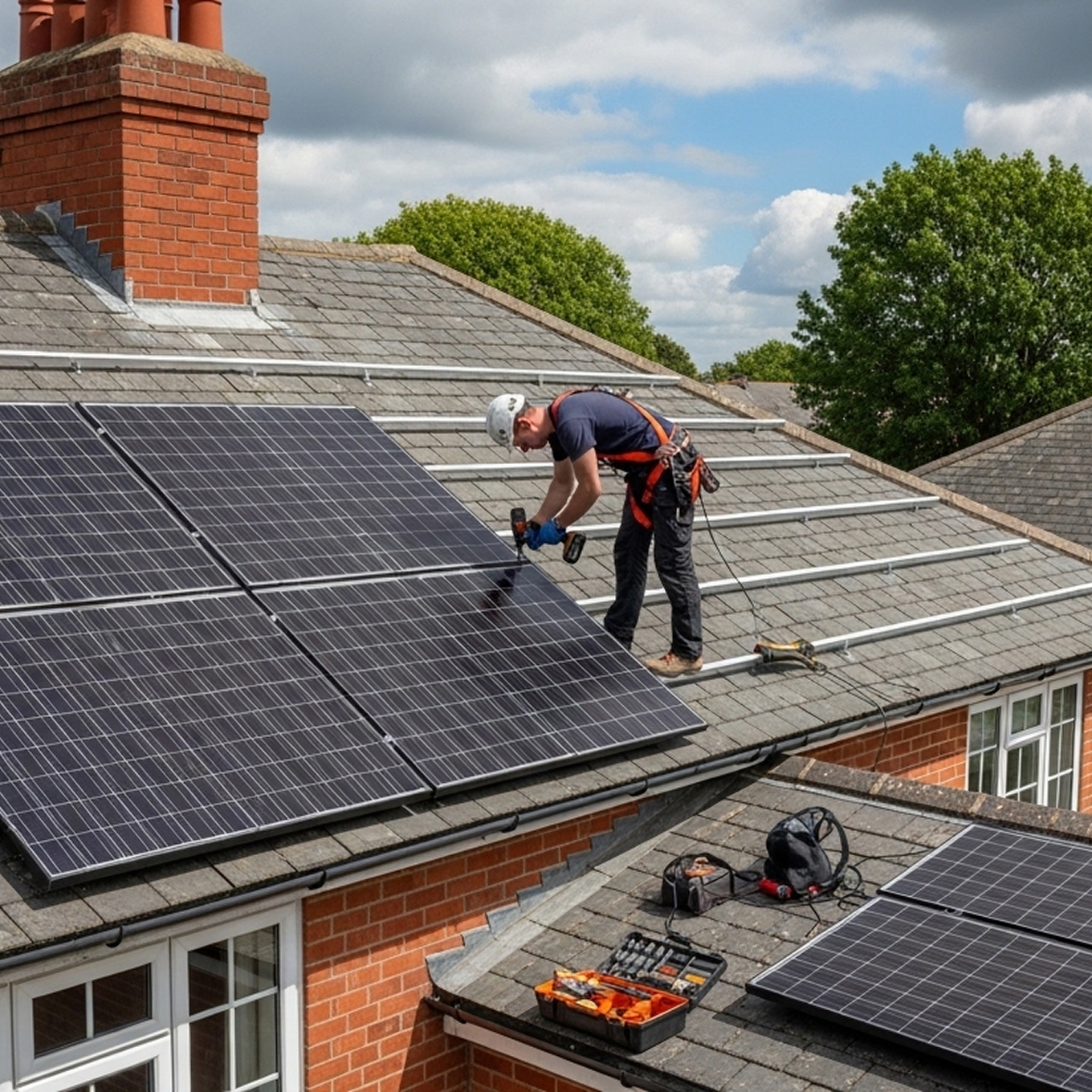
You've been told that energy improvements are coming to your home. This page explains exactly what that means, including what work might take place, how long it will take, and what to expect.
The energy upgrades taking place in your home are ‘retrofit’ improvements. As every home is different, the type of improvements you need will vary from other homes.
Typical energy improvements that may be installed include:
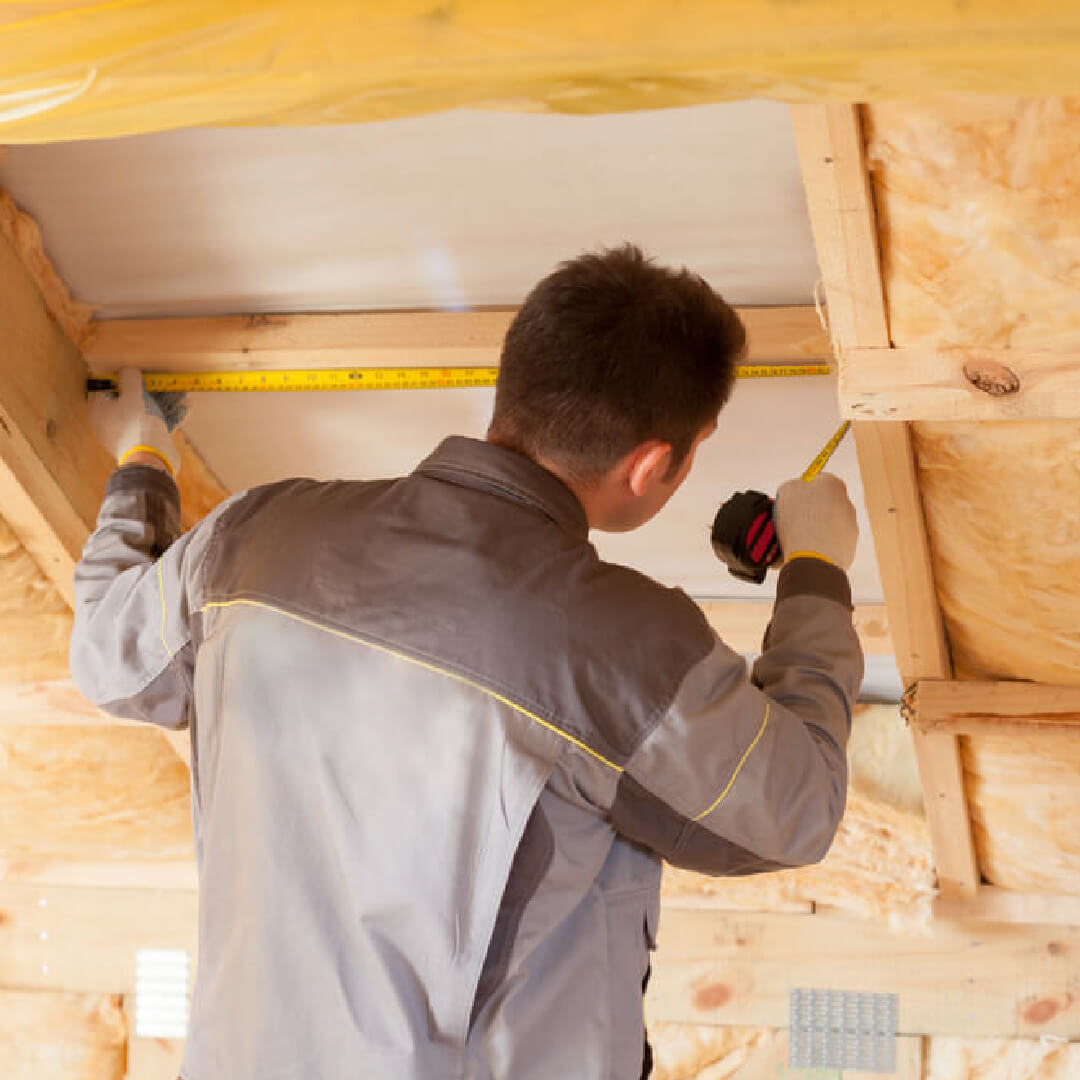
Loft or wall insulation: Keeping your home warmer in the winter and cooler in the summer.
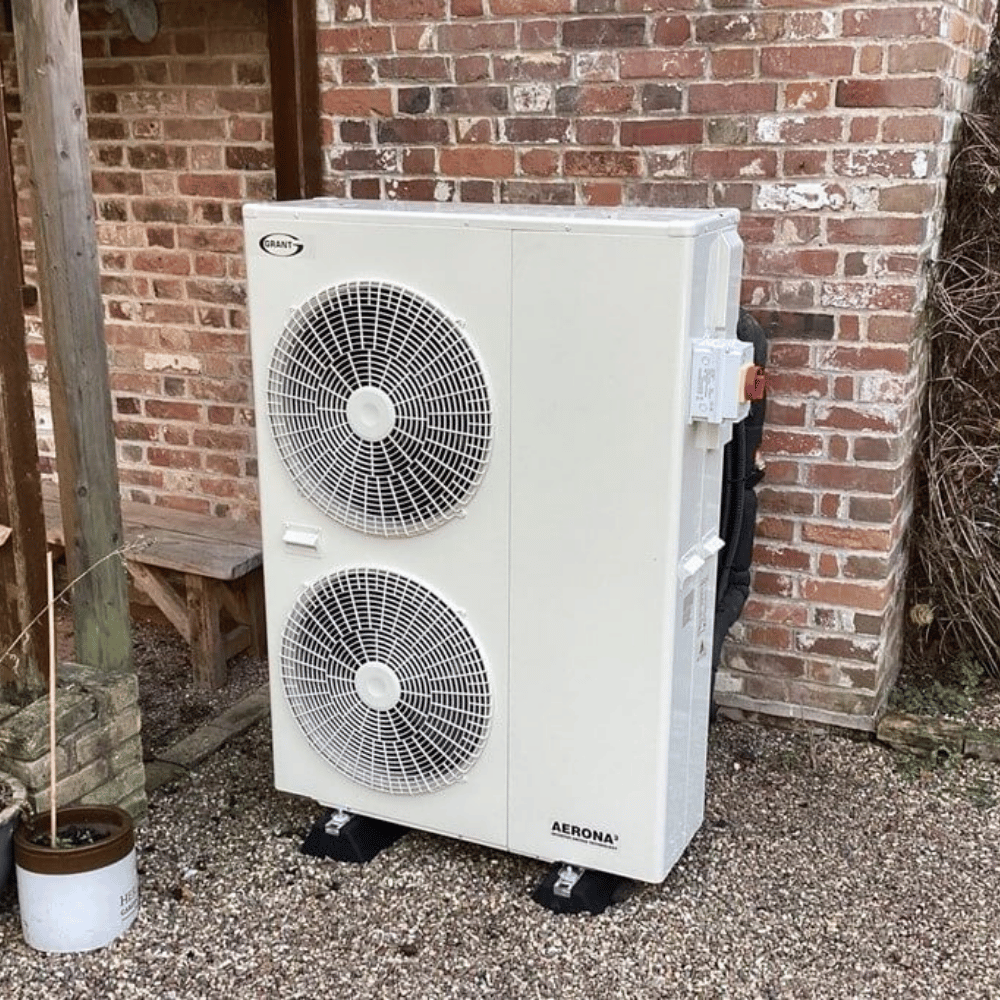
Air-sourced heating pumps: Take heat from the outside air and convert it into usable heat to keep your home warm.
Solar panels: Absorb daylight from the sun and convert it into electricity to power your home.
Better windows or doors: Prevent draughts, improve insulation, reduce damp and minimise heat loss.
Ventilation systems: To accompany other energy upgrades and improve airflow.
You may need one energy upgrade or multiple. It all depends on how efficient your home is to begin with and how much work needs to be done. This can impact the scale of work taking place, but disruption will always be kept to a minimum.
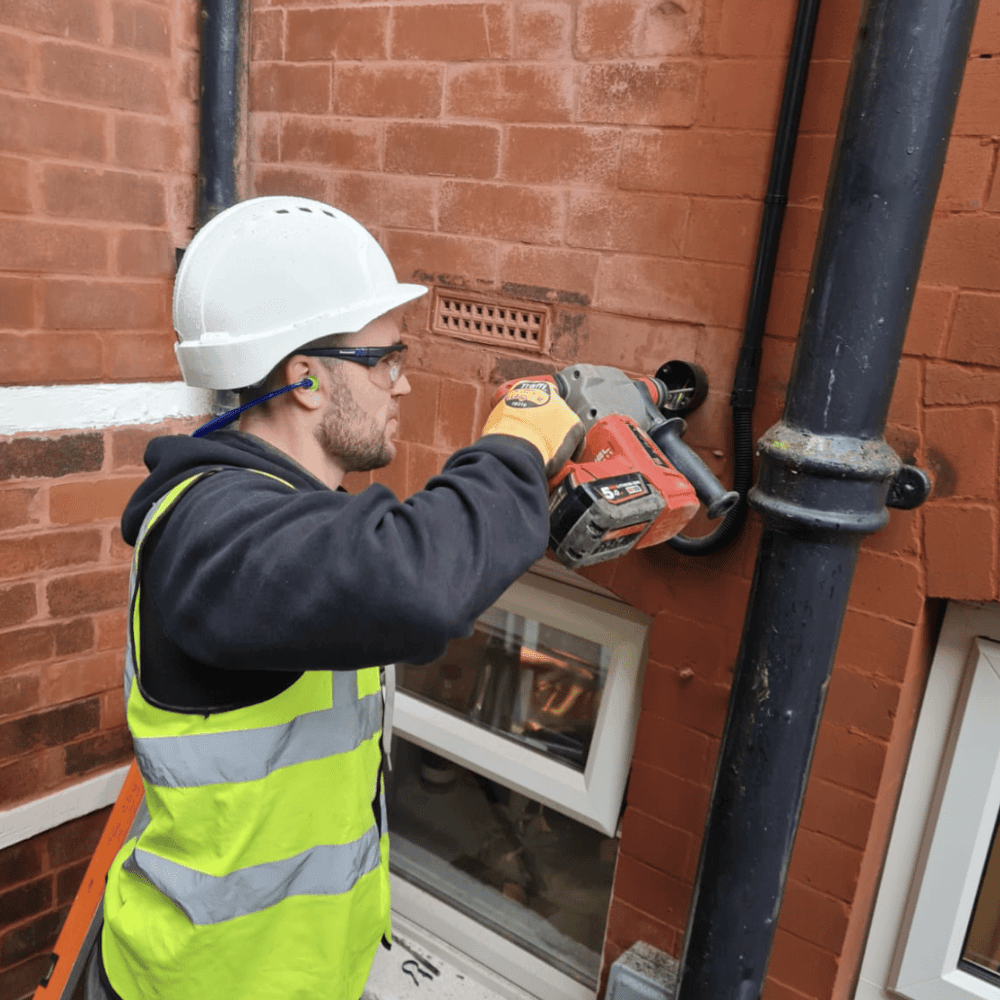
It’s normal to feel nervous when work is taking place in your home. That’s why we use highly qualified installation teams who are all fully DBS checked. Before any work begins, we’ll tell you what is going to happen, when the work will take place and answer your questions.
Our teams are trained to work safely and carefully in your home, minimising disruption and preventing damage. They will work with you to protect you and make sure you can access your home easily at all times. We will also work to minimise dust and noise while the upgrades take place.
For added peace of mind:
All of our retrofit programmes are aligned with PAS 2035 requirements.
We are TrustMark approved for government-funded retrofit schemes.
All installers meet the same health and safety standards.
All installers are DBS checked.
It is usually possible for you to stay in your home while the work takes place. If you are getting more than one energy upgrade, the work usually happens in stages. That way, there is not too much disruption.
While we will do everything possible to keep disruption to a minimum, there will be some disturbance in your home. You may experience the following while work takes place:
Noise from tools
Temporary access to rooms
Equipment and materials in or around your home
Short interruptions to heating or power
While we understand that these disruptions aren’t ideal, our team will always let you know in advance if any of these are likely to affect you. Our installers work Monday to Friday between 8am and 5pm and will always leave your home clean and tidy at the end of each day.
Different home improvements impact different areas of the home. The rooms that will be affected will depend on the work you are having done. However, you can expect the following disruptions alongside these improvements:
If you are having loft insulation or solar panels installed, installers will need loft access.
There may be some scaffolding installed outside your home to fit external wall insulation.
Internal wall insulation, heating and radiator upgrades can cause some disruption in living areas.
Scaffolding is needed to install solar panels and may take up some space in your garden. Any scaffolding will be removed as soon as the work is complete.
Air source heat pumps often need a hot water cylinder, which is usually installed in a utility space.
.png "Plastering")
The time needed depends on which improvements your home is receiving. If you are having multiple upgrades, they may be installed in stages. Your liaison officer will give you a clearer timeline once your assessment has taken place.
Here are some average time frames for installation:
Air source heat pump: 3-5 days.
Solar panels: 1-3 days (plus grid connection).
Radiator upgrades: 1-5 days (depending on home size).
Windows and doors: 1-3 days (depending on home size).
Insulation: 1-10 days (depending on type).
These estimates vary depending on the size and type of your home and how much work is needed. For example, it will take longer to replace all radiators in a 4-bedroom house than in a 2-bedroom flat.
Support begins long before the work takes place. You will already have the contact information of who to speak with to answer any questions. And, we will tell you the following details before, during and after the work takes place:
What work is planned in your home.
When it is likely to take place.
How long it is expected to last.
Who will be carrying out the work.
What disruptions can you expect.
How to use any new systems or equipment.
Who to contact if you have questions or issues.
What to do if something does not seem right.
You will be given some timelines before the work begins, but if anything changes, we will tell you as soon as possible. Keeping you informed every step of the way helps us complete the work as smoothly as possible.
.png "LANDSCAPE TEMPLATE (11)")
Before the installation team leaves your home, they’ll show you how to use your new heating, ventilation or solar panel systems. That way, you can use them with confidence and get the most out of your new system.
You’ll also be told who to contact if you need any more help or support with your new energy upgrades. If you’re ever unsure about your system or if something isn’t right, get in touch for help.
Need help or have questions?
If you have a question or concern, speak to your tenant liaison officer or contact your housing provider directly using the details on any letters you have received about this work.